
No products in the cart.
Roll over image to zoom in
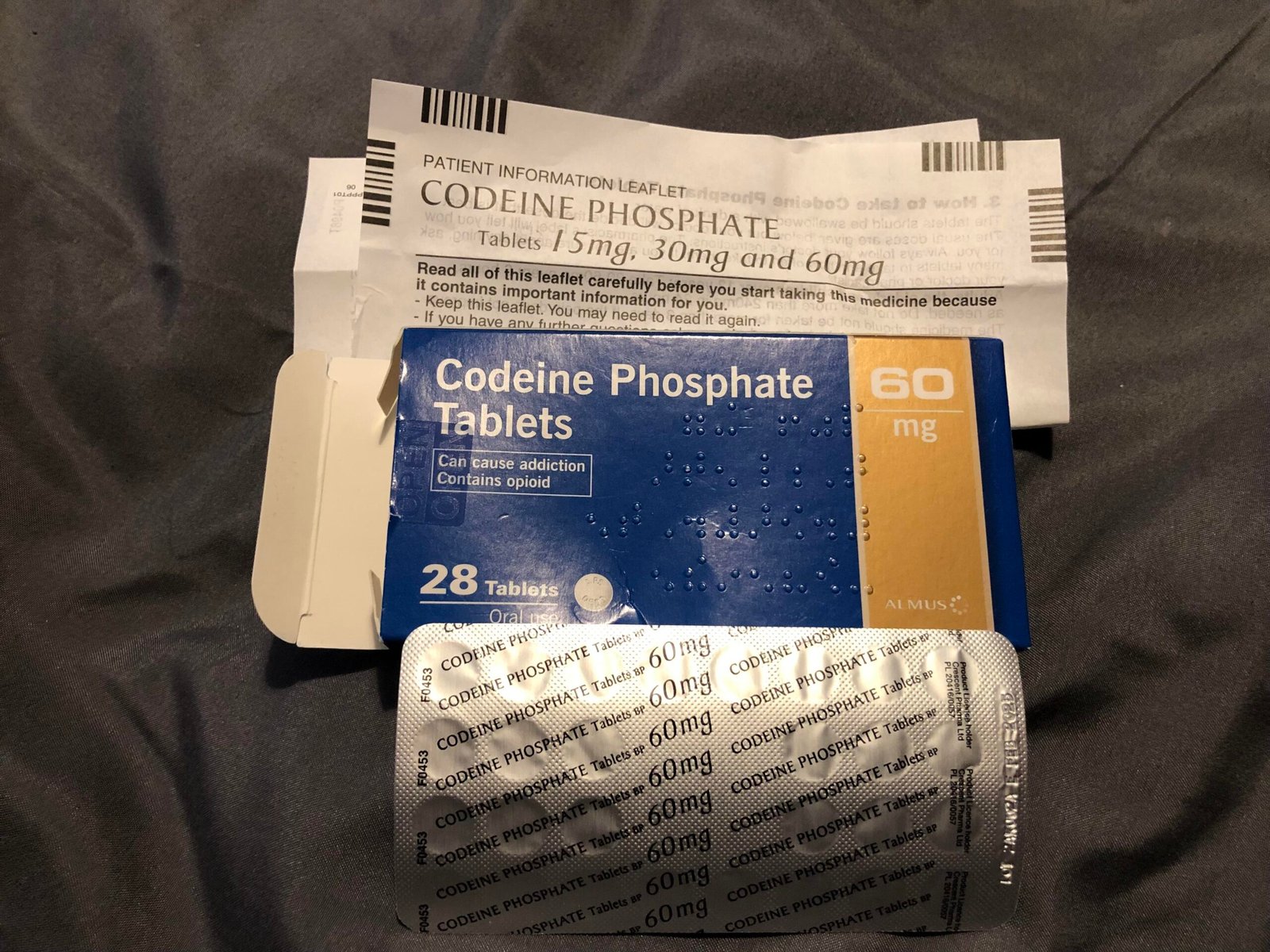
Codeine Phosphate 60 mg
Prix range: 75,00 € through 2 200,00 €
Codeine Phosphate 60 mg Tablets contain codeine phosphate, an opioid medicine prescribed for the short-term management of moderate pain. The medicine should be used at the lowest effective dose for the shortest appropriate duration, following the instructions on the prescription and patient information leaflet
Codeine phosphate may be prescribed when non-opioid pain relievers, such as paracetamol or ibuprofen, have not provided sufficient relief or are not appropriate for the patient. It is not suitable for every person, and a healthcare professional should review your medical history, current medicines, and individual risk factors before use
Key features
Contains 60 mg of codeine phosphate per tablet.
Prescription-only opioid pain medicine.
Intended for short-term use under medical supervision.
May be prescribed for moderate acute pain when other analgesics are not effective or suitable.
Supplied and dispensed only in accordance with applicable pharmacy and prescribing regulations.
Important safety information
Codeine can cause drowsiness, nausea, constipation, dizziness, dependence, and addiction. It can also slow or stop breathing, particularly when taken in excessive amounts or combined with alcohol, sleeping tablets, benzodiazepines, sedatives, or other medicines that cause drowsiness.canada+1
Do not take Codeine Phosphate 60 mg unless it has been prescribed for you. Never share it with another person, and do not take more than the prescribed dose. Do not drive, cycle, or operate machinery until you know how the medicine affects you.
Seek urgent medical attention for slow or difficult breathing, extreme sleepiness, confusion, inability to wake, blue or grey lips, or suspected overdose.
How to use
Take Codeine Phosphate 60mg exactly as directed by your prescriber. Do not increase the dose, take doses closer together, or continue treatment longer than recommended. Official product information advises using codeine at the lowest effective dose for the shortest possible period; exact dosing limits and age restrictions may vary by country and product authorization.medsafe.govt+1
Always read the approved patient information leaflet and consult a pharmacist or doctor if you have questions.
Who should seek medical advice first?
Speak with a healthcare professional before using this medicine if you:
Have breathing problems, asthma, sleep apnoea, liver or kidney disease.
Have previously experienced addiction or dependence.
Are pregnant, planning to become pregnant, or breastfeeding.
Take antidepressants, sedatives, sleeping medicines, alcohol, or other opioid medicines.
Are considering giving the medicine to anyone under the permitted age.
Storage and dispensing
Keep Codeine Phosphate 60mg in its original packaging, away from children and other household members. Store it according to the product label, and return unused tablets to a pharmacy for safe disposal. Availability, prescription status, packaging, excipients, and approved uses may differ by country, so the product page should display the authorization details for the market in which Relaximed operates
Description
Codeine Phosphate 60 mg Tablets | Prescription Pain Relief | Relaximed
Codeine phosphate 60 mg is a prescription opioid analgesic used for short term relief of moderate pain when non‑opioid painkillers (such as paracetamol/acetaminophen or ibuprofen) are not sufficient. It is also used in some settings to suppress dry, painful coughs and to treat certain types of diarrhoea, but the 60 mg strength is primarily associated with pain management.
Because codeine 60mg is an opioid, it carries important risks including dependence, overdose, and life‑threatening breathing problems so it must only be used under the supervision of a licensed clinician and exactly as prescribed.
What Codeine Phosphate 60 mg Is Used For
Codeine phosphate tablets (including 60 mg strength) are indicated for:
Acute moderate pain in patients over 12 years old when other analgesics alone do not provide adequate relief (e.g., post operative pain, injury‑related pain, some types of headache).
Short‑term relief of dry, painful cough in some jurisdictions, usually at lower doses and for limited durations.
Symptomatic relief of certain types of diarrhoea, again typically at lower doses and under medical advice.
For pain, codeine is sometimes combined with other analgesics (e.g., acetaminophen/paracetamol or NSAIDs) to improve pain control, but a 60 mg codeine phosphate tablet is a single‑ingredient opioid formulation.accessdata.fda+1
How Codeine Phosphate 60 mg Works (Simple Overview)
Codeine 60mg is an opioid analgesic. In the body, part of it is converted to morphine, which then binds to opioid receptors in the brain and spinal cord to reduce the perception of pain. This same mechanism is why opioids can cause:
Drowsiness and sedation
Slowed breathing
Euphoria or mood changes
Physical dependence with prolonged use
These effects underpin both the therapeutic benefits and the safety concerns.
Codeine Phosphate 60 mg Dosage Information (General Guidance Only)
Important: The following is general information from medical references and product labels. It is not a substitute for your own prescriber’s instructions. Always follow the dose, frequency, and duration written on your prescription.
Adults (pain):
Common oral dosing range: 15–60 mg every 4–6 hours as needed for pain.
Many guidelines recommend using the lowest effective dose for the shortest possible time.
Maximum daily dose is often limited to 240–360 mg per day, depending on the country, product label, and patient factors.
Adolescents (12–18 years):
Use is more restricted; many authorities advise caution, lower doses, and short durations, especially after tonsillectomy/adenoidectomy or in those with breathing problems.
Older adults, people with liver/kidney disease, or those who are frail:
Often require lower starting doses and careful monitoring due to increased risk of side effects and accumulation.
Never increase your dose, take it more frequently, or use it longer than prescribed. If your pain is not controlled, contact your prescriber rather than self‑adjusting.
Who Should Not Take Codeine Phosphate 60 mg
Codeine 60 mg Tablet is contraindicated or generally not recommended for:
Children under 12 years (in many countries) due to risk of serious breathing problems.
Adolescents (12–18) with significant breathing disorders or after certain surgeries (e.g., tonsillectomy/adenoidectomy for sleep apnoea).
People with severe respiratory depression, acute asthma, or severe chronic obstructive pulmonary disease (COPD) without close medical supervision.
Patients with known hypersensitivity to codeine or other opioids.
Those taking monoamine oxidase inhibitors (MAOIs) or within 14 days of stopping them, due to risk of serious interactions.
People with certain gastrointestinal conditions (e.g., paralytic ileus) or severe abdominal pain of unknown cause.
Always tell your clinician about all medical conditions and all medicines you take, including over‑the‑counter drugs and supplements.
Common Side Effects
Even when taken as prescribed, codeine 60mg can cause side effects. Common ones include:
Constipation (very common with opioids)
Drowsiness, sedation, dizziness, or vertigo
Nausea and vomiting, especially when starting treatment
Dry mouth
Sweating, flushing
Itching or mild rash
Difficulty passing urine
Many of these improve as your body adjusts, but if they are severe or persistent, contact your prescriber. Do not drive, operate machinery, or perform hazardous tasks until you know how codeine affects you.
Serious Risks and Warning Signs
Codeine can cause life‑threatening breathing problems, especially if:
Taken in higher doses than prescribed
Combined with alcohol, benzodiazepines, sleeping pills, muscle relaxants, or other CNS depressants
Used by people with underlying respiratory conditions
Seek emergency medical help immediately if you or someone else experiences:
Extreme drowsiness or inability to stay awake
Slow, shallow, or difficult breathing; unusual snoring or long pauses in breathing during sleep
Confusion, fainting, or bluish lips/skin
Severe dizziness or inability to wake the person
Other serious reactions that require urgent medical attention include:
Signs of allergic reaction: swelling of face/lips/tongue/throat, difficulty breathing, severe rash or hives
Seizures
Symptoms suggesting adrenal problems: persistent nausea/vomiting, loss of appetite, severe tiredness, dizziness, low blood pressure
Symptoms of serotonin syndrome (especially if combined with certain antidepressants or migraine meds): agitation, hallucinations, fever, sweating, shivering, fast heartbeat, muscle stiffness, twitching, loss of coordination, nausea, vomiting, diarrhoea
If any of these occur, stop the medication and get emergency care.
Dependence, Tolerance, and Withdrawal
Codeine is an opioid and can lead to:
Tolerance: needing higher doses over time to achieve the same pain relief
Physical dependence: your body adapts to the drug, and stopping suddenly can cause withdrawal symptoms.
Addiction (opioid use disorder): compulsive use despite harm, which can occur even when starting with a legitimate prescription.
Withdrawal symptoms after abrupt discontinuation may include:
Restlessness, irritability, anxiety
Insomnia
Sweating, runny nose, tearing eyes
Muscle aches, abdominal cramps, diarrhoea
Nausea and vomiting
To reduce risk, clinicians typically:
Prescribe the lowest effective dose for the shortest necessary duration
Avoid abrupt discontinuation after prolonged use; instead, they may taper the dose gradually
Monitor for signs of misuse, dependence, or addiction
Never share your codeine with anyone else, and store it securely to prevent accidental or intentional misuse.
Codeine Phosphate 60 mg Drug Interactions to Know About
Codeine Phosphate 60 mg can interact with many medicines and substances. Important categories include:
Alcohol and other CNS depressants (e.g., benzodiazepines, sleep aids, some antihistamines, muscle relaxants): increased risk of severe drowsiness, breathing problems, overdose, and death.
Other opioids or opioid‑containing products: risk of additive effects and overdose.
Medications affecting CYP2D6 (an enzyme that converts codeine to morphine), such as some antidepressants (e.g., fluoxetine, paroxetine, bupropion): can alter pain relief and side‑effect profile.
Serotonergic drugs (certain antidepressants, migraine medications, some supplements): may increase risk of serotonin syndrome.
MAO inhibitors (or within 14 days of stopping them): risk of severe, potentially life‑threatening reactions.
Always provide your prescriber and pharmacist with a complete list of all medicines, supplements, and recreational substances you use.
Special Populations
Pregnancy and Breastfeeding
Codeine Phosphate 60 mg crosses the placenta and can affect the fetus; prolonged use during pregnancy may lead to neonatal withdrawal after birth.
Codeine and its metabolites pass into breast milk. In some infants especially those who are ultra‑rapid metabolizers this has been linked to life‑threatening breathing problems.
Pregnant or breastfeeding individuals should only use codeine if a clinician determines that the benefits clearly outweigh the risks, and they should be closely monitored.
Older Adults
Increased sensitivity to opioids, higher risk of falls, confusion, constipation, and breathing problems. Lower doses and careful monitoring are often required.
Liver or Kidney Disease
Impaired metabolism or excretion can increase codeine levels and side‑effect risk. Dose adjustments and close monitoring are usually necessary.
Safe Use Tips for Patients
Take codeine exactly as prescribed do not change the dose or frequency on your own.
Do not combine with alcohol or non‑prescribed sedatives.
Avoid driving or operating machinery until you know how it affects you.
Use a bowel regimen (fluids, fibre, possibly stool softeners) to help prevent constipation, unless your clinician advises otherwise.
Store codeine in a secure, locked place, out of reach of children and others.
If you miss a dose, follow your prescriber’s instructions; do not double up unless specifically told to.
If you no longer need codeine, ask your clinician or pharmacist how to dispose of it safely (e.g., via take‑back programs).
When to Contact Your Clinician
Contact your prescriber promptly if you experience:
Pain that is not adequately controlled despite taking the medication as directed
Side effects that are troublesome or do not improve (e.g., severe constipation, persistent nausea, marked drowsiness)
Mood changes, confusion, or signs of depression
Any concerns about dependence, tolerance, or difficulty stopping the medication
Seek emergency care for any signs of overdose, severe breathing problems, allergic reaction, seizures, or symptoms suggestive of serotonin syndrome or adrenal problems, as described above.
Key Takeaways
Codeine phosphate 60 mg is a prescription opioid for short‑term management of moderate pain when other analgesics are insufficient.
It can cause common side effects like constipation, drowsiness, nausea, and dizziness, as well as serious risks including dependence, overdose, and life‑threatening respiratory depression.
It must be used only under medical supervision, at the lowest effective dose, for the shortest necessary duration, and never with alcohol or other sedatives unless explicitly approved by your clinician.
If you have questions about whether codeine is appropriate for you, or how to use it safely, speak with your doctor or pharmacist before starting or stopping it.
Spécification
Informations Complémentaires
| Quantité | 10 Tabs, 20 Tabs, 30 Tabs, 60 Tabs, 120 Tabs, 240 Tabs, 500 Tabs |
|---|




Avis
Aucun avis pour le moment.